.png)
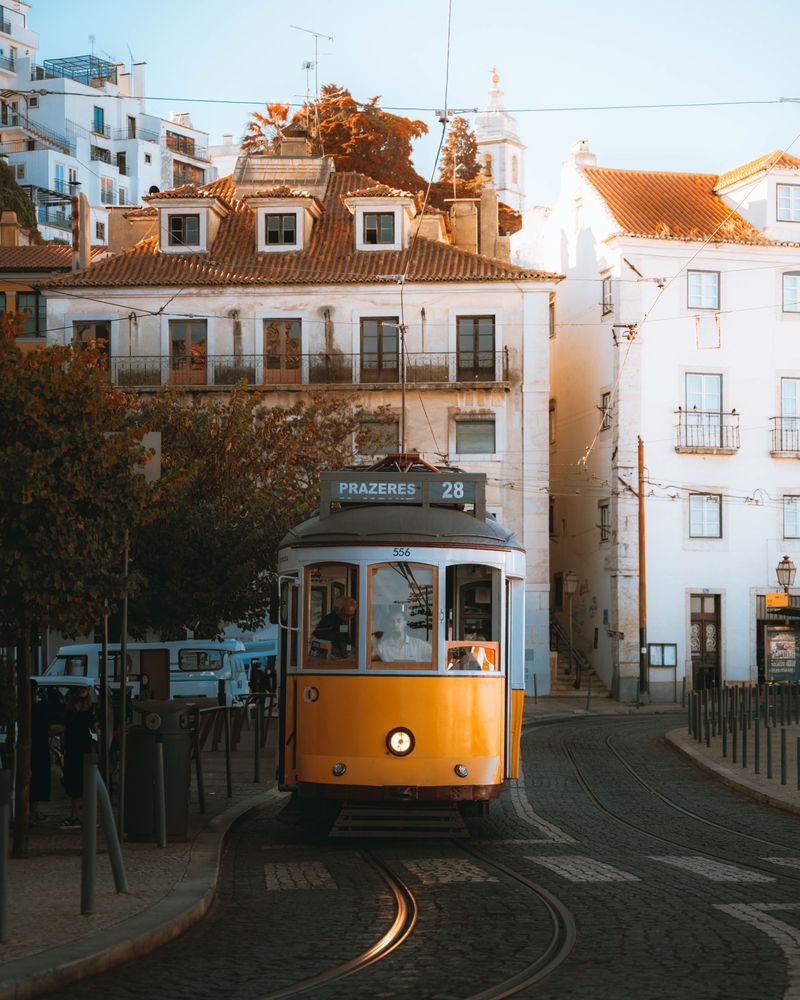
Lisbon is one of Europe's most captivating capitals — a city of extraordinary light, Atlantic breezes, and a beauty that has inspired poets, sailors, and travelers for centuries. Built across seven hills above the Tagus estuary, Lisbon rewards every sense: the plaintive melodies of fado drifting from Alfama's doorways, the creak of the historic Tram 28E climbing cobbled streets, the scent of freshly baked pastel de nata from Pastéis de Belém, and the golden shimmer of the late afternoon sun across the river. For last-minute travelers from North America, Lisbon represents outstanding value — affordable transatlantic fares, a low cost of living relative to other Western European capitals, and a combination of culture, cuisine, and coastline that rivals cities twice its price.
Alfama and Fado Culture
Alfama is Lisbon's oldest district — a medieval labyrinth of whitewashed houses with blue azulejo tiles, narrow alleys that reward those who get deliberately lost, and miradouros (viewpoints) that open suddenly onto breathtaking panoramas of the river and terracotta rooftops. Castelo de São Jorge, a Moorish castle crowning the highest point of Alfama, has commanded this hill since the 11th century and offers the finest overview of the city. Fado — the soulful Portuguese musical tradition of longing and fate — was born in these streets and continues to be performed nightly in the district's intimate restaurants and small venues. Attending a genuine fado performance in Alfama is among the most distinctive cultural experiences available anywhere in Europe.
Belém and Maritime History
The district of Belém, located 6km west of the city center along the Tagus waterfront, is the cradle of Portugal's Golden Age of Exploration. The Torre de Belém, a UNESCO World Heritage Site built in the Manueline architectural style, stands at the water's edge as a monument to the era when Portuguese navigators charted the world's oceans. The Jerónimos Monastery — arguably the finest example of Manueline architecture anywhere — was built to commemorate Vasco da Gama's voyage to India and houses his tomb. The Padrão dos Descobrimentos monument and the MAAT (Museum of Art, Architecture and Technology) complete an extraordinary cultural corridor along the riverfront. Belém is also the birthplace of the original pastel de nata; the custard tarts from Pastéis de Belém have been produced from the same secret recipe since 1837.
Neighborhoods: Bairro Alto, Chiado, and LX Factory
Lisbon's neighborhoods each carry a distinct personality. Chiado is the city's elegant literary and shopping district, home to the historic Livraria Bertrand (the world's oldest operating bookshop, established in 1732), excellent independent boutiques, and the celebrated Brasileira café where Fernando Pessoa once sat. Adjacent Bairro Alto transforms after dark into one of the most lively bar districts in Southern Europe, with dozens of small bars spilling onto narrow streets in a convivial, unpretentious atmosphere that distinguishes Lisbon's nightlife from more tourist-saturated European capitals. LX Factory, a creative complex occupying a 19th-century industrial textile mill in Alcântara, houses independent restaurants, concept stores, art installations, and hosts one of Lisbon's finest Sunday markets.
Day Trips to Sintra and the Atlantic Coast
Sintra is one of Europe's most remarkable day trips and lies just 40 minutes from Lisbon by train. This UNESCO-listed town in the Serra de Sintra mountains combines extraordinary royal palaces — the Palácio Nacional da Pena, a Romanticist fantasy of turrets and vivid colors; the enigmatic Quinta da Regaleira with its initiatic well; and the medieval Moorish Castle — with dramatic Atlantic forest scenery. The Cascais Riviera, reached from Lisbon in 30 minutes by coastal train, offers some of the finest Atlantic beaches in Europe. Surf spots at Guincho beach, the cliffs at Cabo da Roca (continental Europe's westernmost point), and the resort town of Cascais itself provide a compelling alternative to busier Mediterranean beach destinations. For last-minute travelers with a few extra days, these day trips transform a Lisbon city break into a comprehensive Portugal experience.
Popular Routes to Lisbon
Airlines Flying to Lisbon
Best Time to Book Flights to Lisbon
Best Months
March – June, September – October
Peak Season
June – August
Budget Season
November – February
Travel Tips for Lisbon
Nearest Airport
Lisbon Humberto Delgado Airport (LIS)
Transportation
Iconic tram lines (28E, 12E), four metro lines, extensive bus network, and Uber. The Baixa and Alfama districts are best explored on foot.
Weather
Mediterranean — warm sunny summers (75–85°F), mild wet winters (45–60°F). Over 290 sunny days per year.
Frequently Asked Questions — Flights to Lisbon
How long is the flight from the USA to Lisbon?
Flights from New York (JFK) to Lisbon (LIS) take approximately 7–8 hours. From Boston, roughly 6.5–7 hours. From the U.S. West Coast expect 10–12 hours with a connection.
Do Americans need a visa for Lisbon?
No. U.S. citizens can visit Portugal and the Schengen Area for up to 90 days in any 180-day period without a visa. Ensure your passport has at least 6 months' validity.
What is the best time to visit Lisbon?
Spring (March–May) and autumn (September–October) offer the best combination of warm weather, manageable crowds, and competitive airfares. July and August are peak season — hot, crowded, and pricier.
Is Lisbon expensive compared to other European capitals?
Lisbon remains significantly more affordable than Paris, Amsterdam, or London. Dining, transport, and accommodation are generally excellent value. It is one of the best-value major European city break destinations.
How do I get from Lisbon Airport to the city center?
The Lisbon Metro (Red Line) connects the airport to Oriente and Alameda stations in about 20–25 minutes for €1.65. Taxis and Uber take 15–20 minutes to the Baixa depending on traffic and cost €10–€20.
Is Lisbon good for a weekend trip?
Lisbon is excellent for a long weekend — 3 to 4 days allows you to cover Alfama, Belém, the waterfront, and a half-day trip to Sintra without rushing.
What should I eat in Lisbon?
Pastel de nata (custard tart), bacalhau (salted cod — 365 recipes), grilled sardines (especially in June for the Santo António festival), Francesinha sandwich from Porto, and bifanas are essential eating experiences.
Can I take day trips from Lisbon?
Easily. Sintra (40 min by train), Cascais (30 min), Setúbal and the Arrábida Natural Park (1 hour by car), and the Alentejo wine region (1.5 hours) are all excellent options.
